
MoFont Blog
Blog
Read latest product features, solutions, and updates.
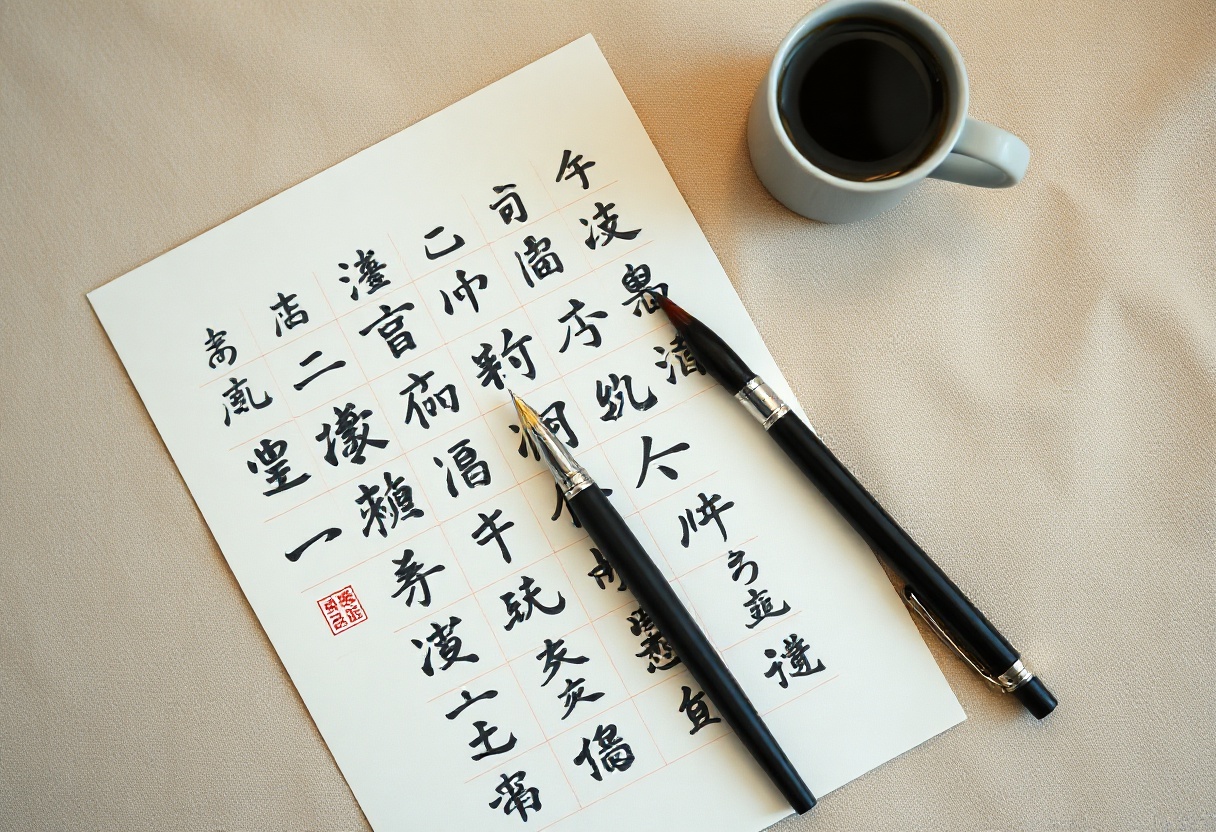
Turn Your Handwriting Into a Font: From a Sheet of Grid Paper to a Working OTF
How does handwriting actually become a font? I've walked both roads—six weeks of my own scripts, and a few hours with MoFont. Here's every step, plus the traps no tutorial warns you about.
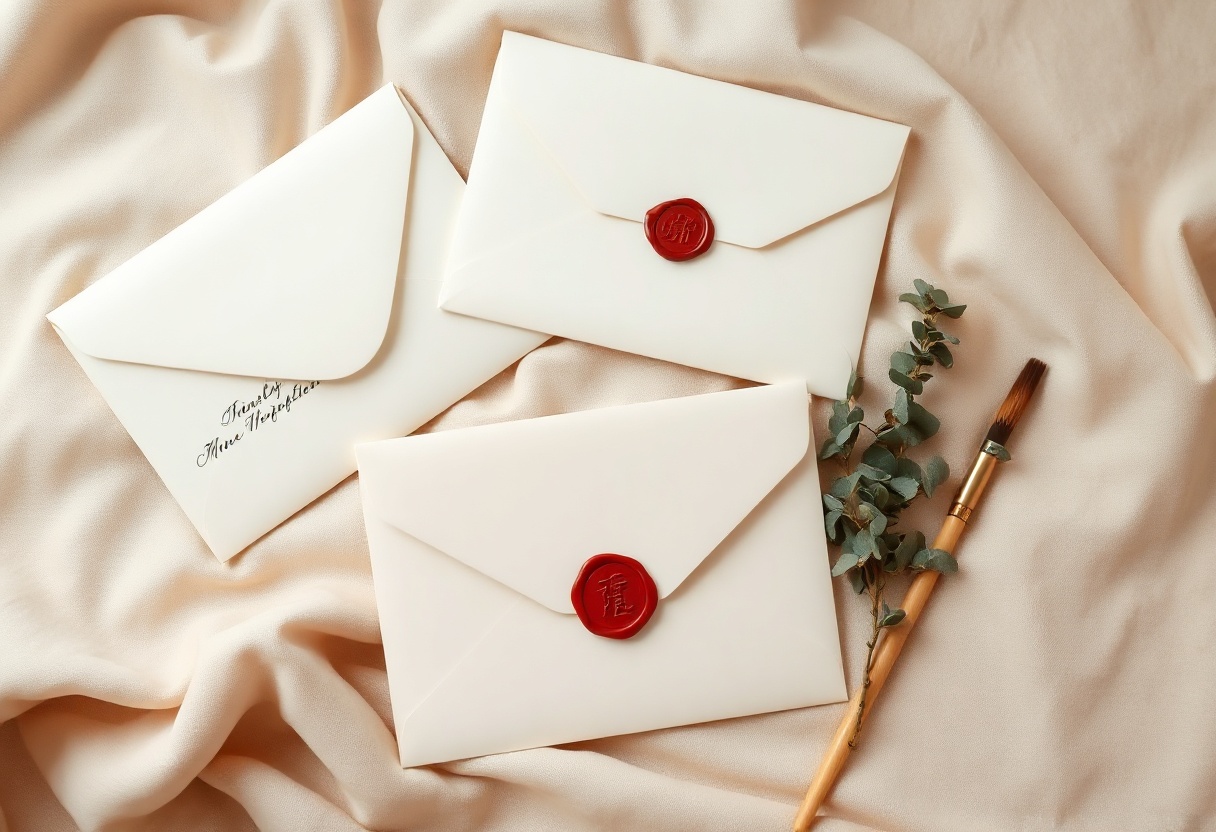
Wedding Invitations in Your Own Handwriting: A Guide That Skips the Designer
I once hand-lettered 180 wedding envelopes, and by the eightieth my wrist started to ache. Then I turned my handwriting into a font and typeset two hundred names without lifting the pen again. Here is the whole workflow: choosing a pen, writing samples, building the font, then laying out invitations in Word, Pages, and Canva, plus bleed and printing.
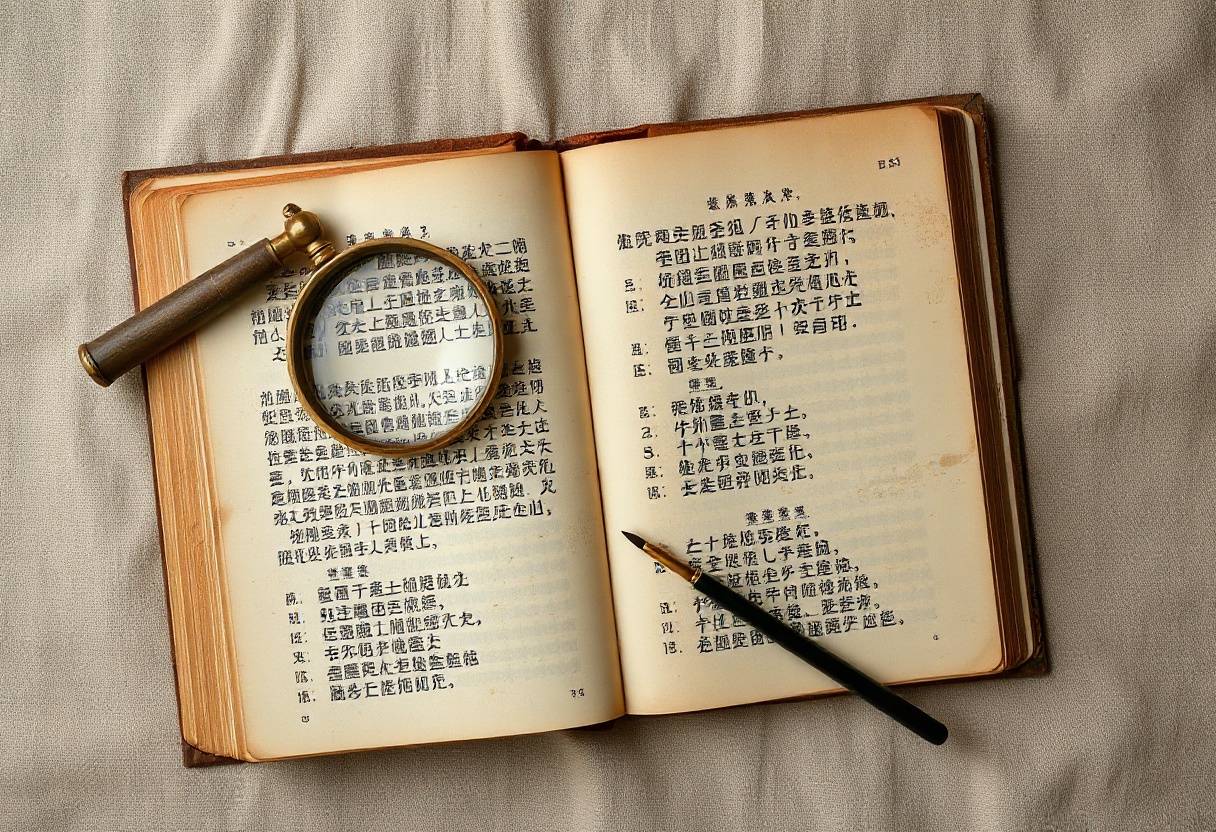
6500 Common Characters, and Why the Long Tail Is the Real Test of a Font Model
"Common" is a polite fiction. What actually exposes a handwriting font model is never the few thousand frequent characters — it is the rare ones hiding in names, place names, and old texts. Here is why the long tail breaks nearly every model, and why it is the real shippable bar.
From zi2zi to Diffusion: What's Happened in Handwritten Chinese Font Generation
Before building MoFont, I read my way through years of Chinese font-generation papers. From zi2zi's conditional GAN, to deepvecfont's vector approach, to diffusion models—here's a tour of the papers I was forced to read to ship a product, and why none of them hands you a usable font on its own.
OTF or TTF? Which Format to Pick When Exporting Your Handwriting Font
After you train your handwriting into a font, the export screen hands you OTF and TTF. This is the plain-English version of what really separates the two formats, where each one shines, and whether you should agonize over the choice at all for a handwriting font.
Why I built MoFont — from a wedding envelope to an OTF file
How hand-lettering 180 wedding invitations turned into a year of teaching myself zi2zi, FontForge, and diffusion models — and why I think bespoke handwriting belongs to ordinary people, not just professionals.